
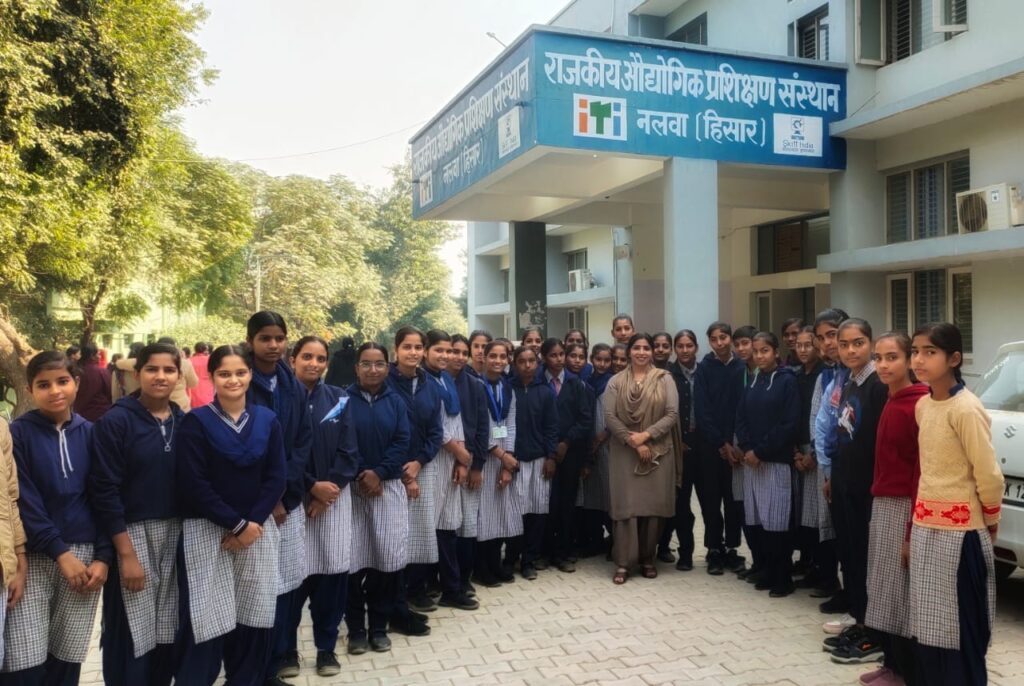
**Twinning Programs in Schools** are collaborative initiatives between two or more schools, often from different regions, countries, or cultural backgrounds. These programs aim to foster mutual understanding, cultural exchange, and educational enrichment. Twinning programs can be domestic (within the same country) or international, and they provide students and teachers with opportunities to learn from each other’s experiences, practices, and perspectives.
—
### **Objectives of Twinning Programs:**
1. **Cultural Exchange**: Promote understanding and appreciation of different cultures, traditions, and lifestyles.
2. **Academic Collaboration**: Share teaching methodologies, curriculum ideas, and best practices.
3. **Skill Development**: Enhance communication, teamwork, and problem-solving skills through collaborative projects.
4. **Global Awareness**: Broaden students’ horizons by exposing them to global issues and perspectives.
5. **Language Learning**: Improve language skills through interaction with peers from different linguistic backgrounds.
6. **Networking**: Build long-term relationships between schools, teachers, and students.
—
### **Types of Twinning Programs:**
1. **Domestic Twinning**:
– Collaboration between schools within the same country.
– Focuses on bridging urban-rural divides or promoting regional diversity.
– Example: A school in Delhi partnering with a school in a rural area of Rajasthan.
2. **International Twinning**:
– Collaboration between schools in different countries.
– Encourages global citizenship and cross-cultural understanding.
– Example: A school in India partnering with a school in the UK or Japan.
3. **Thematic Twinning**:
– Schools collaborate on specific themes like environmental sustainability, STEM education, or arts and culture.
– Example: Two schools working together on a joint project about climate change.
4. **Virtual Twinning**:
– Schools connect online through video conferencing, emails, or collaborative platforms.
– Ideal for schools that cannot physically visit each other due to distance or budget constraints.
—
### **Activities in Twinning Programs:**
1. **Student Exchange Programs**:
– Students visit their partner school for a short period to experience a different educational and cultural environment.
2. **Teacher Exchange Programs**:
– Teachers visit partner schools to share teaching methods and observe classroom practices.
3. **Joint Projects**:
– Students from both schools work together on projects related to science, art, social studies, or technology.
4. **Cultural Events**:
– Celebrating festivals, organizing cultural fairs, or sharing traditional music and dance.
5. **Pen Pal Programs**:
– Students exchange letters or emails to build friendships and improve communication skills.
6. **Workshops and Webinars**:
– Collaborative sessions on topics like leadership, innovation, or global issues.
7. **Sports and Competitions**:
– Friendly matches or competitions in sports, debates, quizzes, or science fairs.
—
### **Benefits of Twinning Programs:**
1. **For Students**:
– Exposure to diverse cultures and perspectives.
– Improved communication and interpersonal skills.
– Enhanced creativity and critical thinking through collaborative learning.
– Increased confidence and independence.
2. **For Teachers**:
– Opportunities for professional development and learning new teaching strategies.
– Exposure to different educational systems and practices.
– Building a global network of educators.
3. **For Schools**:
– Strengthening the school’s reputation and global outlook.
– Enriching the curriculum with international or cross-cultural elements.
– Building long-term partnerships for future collaborations.
—
### **Examples of Twinning Programs:**
1. **British Council’s Connecting Classrooms**:
– A global program that connects schools in the UK with schools in other countries, including India.
– Focuses on developing global citizenship and 21st-century skills.
2. **UNESCO’s Associated Schools Project Network (ASPnet)**:
– A network of schools worldwide that collaborate on themes like peace, sustainability, and intercultural dialogue.
3. **eTwinning (Europe)**:
– A platform for schools in Europe to collaborate online on various projects.
4. **India-Japan Twinning Program**:
– An initiative to promote cultural and educational exchange between Indian and Japanese schools.
—
### **How to Start a Twinning Program:**
1. **Identify a Partner School**:
– Reach out to schools through educational networks, embassies, or online platforms.
2. **Define Objectives**:
– Clearly outline the goals and expected outcomes of the partnership.
3. **Plan Activities**:
– Design collaborative projects, exchange programs, or virtual interactions.
4. **Secure Funding**:
– Seek support from government programs, NGOs, or private organizations.
5. **Monitor and Evaluate**:
– Regularly assess the program’s impact and make improvements as needed.
—
Twinning programs are a powerful way to enrich the educational experience, promote global understanding, and prepare students for a interconnected world. They align with modern educational goals of fostering collaboration, creativity, and cultural awareness.
Twinning program file can also be viewed by clicking the given link:- View