
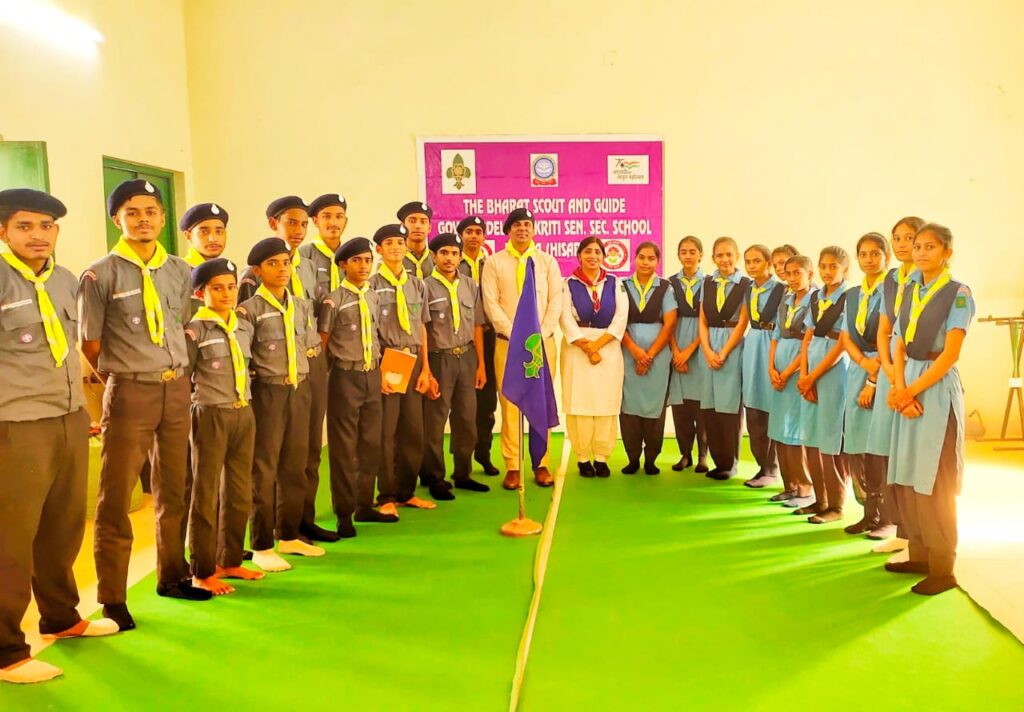
The Central Board of Secondary Education (CBSE) in India encourages the holistic development of students, and one of the ways this is achieved is through extracurricular activities such as Scouts and Guides. The Scouts and Guides movement is a voluntary, non-political educational movement for young people, open to all without distinction of origin, race, or creed, in accordance with the purpose, principles, and method conceived by the Founder, Lord Baden-Powell.
In CBSE schools, the Scouts and Guides program is often integrated into the school’s extracurricular offerings. Here are some key points about Scouts and Guides in CBSE schools:
Objectives: The primary aim is to develop good citizenship among the youth by inculcating a sense of duty, discipline, and service to the community. It also aims to develop their character, train them in habits of observation, obedience, and self-reliance.
Age Groups: The movement is typically divided into different age groups:
Cubs/Bulbuls: For children aged 6 to 10 years.
Scouts/Guides: For children aged 11 to 17 years.
Rovers/Rangers: For young adults aged 18 to 25 years.
Activities: The activities are designed to be practical and engaging, including camping, hiking, community service, first aid, and various skill-building exercises. These activities help in the physical, mental, and spiritual development of the students.
Training and Camps: Regular training sessions and camps are organized where students learn various skills such as knot tying, map reading, and survival skills. These camps also emphasize teamwork, leadership, and self-discipline.
Badges and Awards: Students can earn various badges and awards based on their achievements and participation in different activities. These badges are a mark of their skills and accomplishments.
Community Service: A significant part of the Scouts and Guides program involves community service. Students participate in various social service activities, which help them develop a sense of responsibility and empathy towards society.
Integration with School Curriculum: While Scouts and Guides is an extracurricular activity, it complements the school curriculum by providing practical life skills and values education. Many CBSE schools have dedicated periods or after-school sessions for Scouts and Guides activities.
Recognition: Participation in Scouts and Guides is often recognized and appreciated in school records and can be beneficial for students in their future academic and professional pursuits.
Leadership Opportunities: The program offers numerous leadership opportunities, allowing students to take on roles such as patrol leaders, troop leaders, and more, which helps in developing their leadership and organizational skills.
National and International Events: Students also get opportunities to participate in national and international Scouts and Guides events, which provide exposure and a platform to interact with peers from different backgrounds.
Overall, the Scouts and Guides program in CBSE schools plays a crucial role in the all-round development of students, preparing them to be responsible and active citizens.