
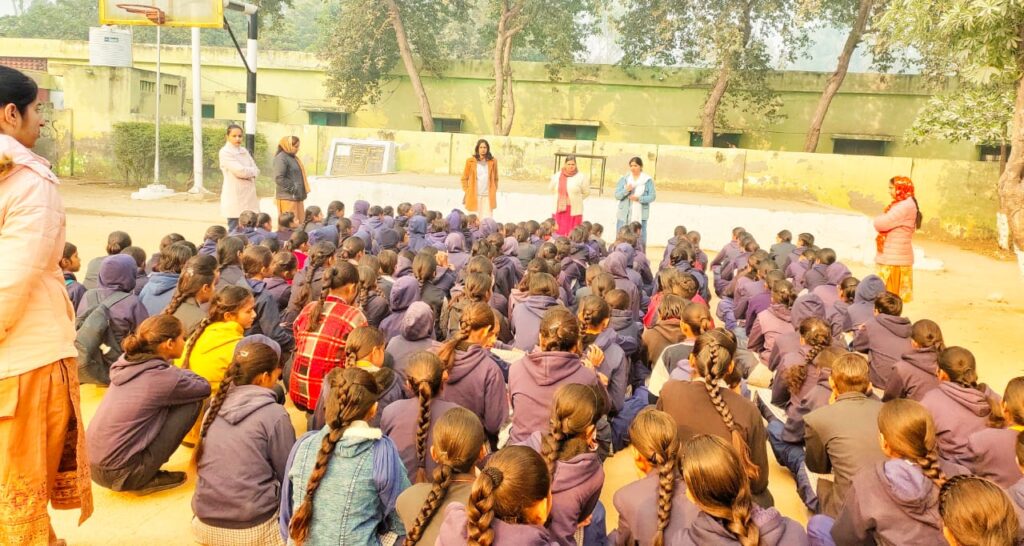
Balika Munch in Schools
Balika Munch (Girls’ Forum) is an initiative aimed at empowering adolescent girls in schools. It provides a safe space for girls to discuss their concerns, share experiences, and develop confidence. This initiative is particularly important in addressing gender-specific challenges and promoting equality.
Objectives of Balika Munch:
Empowerment: Encourage girls to voice their opinions and take leadership roles.
Awareness: Educate girls about their rights, health, and safety.
Skill Development: Provide training in life skills, communication, and decision-making.
Support System: Create a network where girls can seek guidance and support from peers and mentors.
Activities Conducted in Balika Munch:
Workshops and Discussions:
Topics include menstrual hygiene, gender equality, career choices, and self-defense.
Mentorship Programs:
Senior students or teachers mentor younger girls, guiding them on academic and personal issues.
Awareness Campaigns:
Campaigns on issues like child marriage, domestic violence, and education rights.
Skill-Building Sessions:
Training in public speaking, leadership, and problem-solving.
Celebrating Achievements:
Recognizing and celebrating the accomplishments of girls in academics, sports, and other fields.
Benefits of Balika Munch:
Confidence Building: Girls become more confident and assertive.
Knowledge and Awareness: They gain valuable information about their health, rights, and opportunities.
Peer Support: Girls form strong bonds and support networks.
Leadership Opportunities: They learn to take initiative and lead in various activities.
Integration of Adolescence Education and Balika Munch in CBSE Schools:
CBSE schools often integrate Adolescence Education Programs (AEP) and initiatives like Balika Munch to address the holistic development of students. These programs align with the board’s focus on life skills education, gender sensitivity, and student well-being.
Curriculum Integration:
Topics related to adolescence, health, and gender equality are included in subjects like Science, Social Studies, and Physical Education.
Co-curricular Activities:
Schools organize events, debates, and competitions to promote awareness and skill development.
Collaboration with NGOs:
Many schools partner with NGOs to conduct workshops and training sessions for students.
By addressing the unique needs of adolescents and empowering girls through initiatives like Balika Munch, CBSE schools contribute to creating a more inclusive, informed, and confident generation.